The Future of Beauty Recommendations: Why Creators and AI Need Better Context
A recommendation can inspire you. Can it help you decide?
For years, beauty consumers have turned to creators for an answer to a familiar question: What should I buy?
I understand the appeal. As a makeup artist and beauty business founder, I have watched a tutorial make a product feel tangible in a way a polished ad rarely can. You see the application, the finish, the technique and the person behind the opinion. A creator can introduce you to a product you might never have found on a store shelf.
Then comes the harder question: Will it work for me?
A foundation can look luminous on a creator and settle differently on your skin. A shade that photographs beautifully may read differently in daylight. A routine that fits one person's budget, preferences and schedule may not fit yours. None of that means the creator was wrong. It means a recommendation made for an audience can only tell an individual so much.
I believe the next opportunity in beauty is to connect the human insight of creators with information that helps each shopper judge relevance for herself.
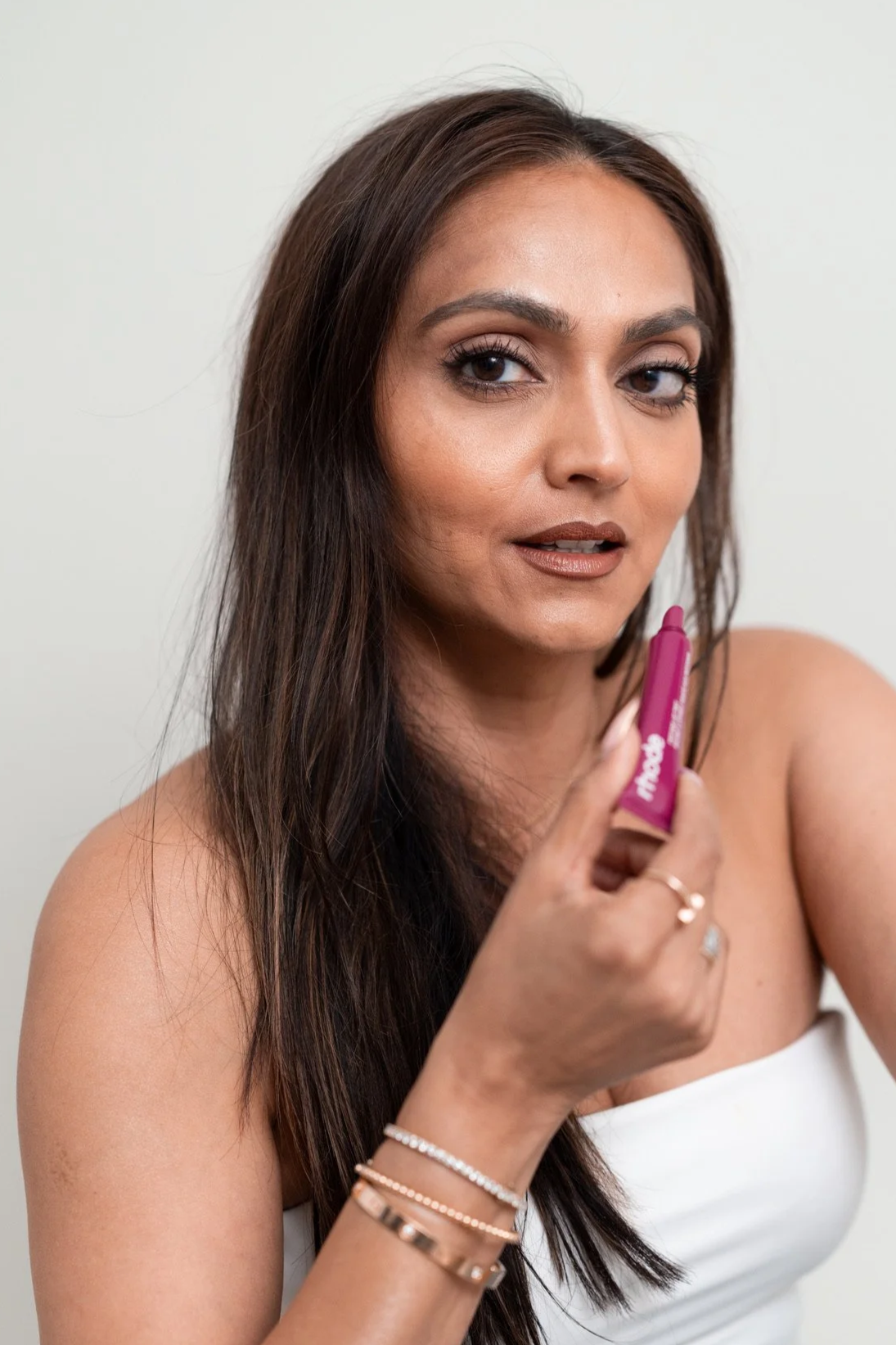
Shop Rhode Skin
Why creator recommendations matter
Creators give beauty products a real-world setting. They show the steps between opening a package and wearing the result. They describe texture, coverage, application and the trade-offs they notice. Their content also makes room for more faces, styles and perspectives than any single campaign can show.
When someone finds a creator whose look, preferences or concerns feel familiar, the recommendation gains a new kind of usefulness. The shopper can see a possibility for herself.
That connection is valuable. It also has limits. Two people who look alike on camera may prefer entirely different finishes. Skin tone alone does not tell us about sensitivity, wear time, climate, price tolerance or how someone wants makeup to feel. A creator's experience is evidence of one experience; it is not a promise of the viewer's result.
The gap between discovery and decision
Imagine seeing a foundation in a short video. You like the finish, open the comments, search for swatches, watch three more reviews and compare ingredient lists. By the end, you have more information and may still be unsure.
That is the recommendation gap: inspiration arrives quickly, while evaluating personal fit takes work.
The answer is not an endless feed of additional products. A better experience would help a shopper ask useful questions: How does this formula perform for people seeking similar coverage? Which reviews describe the finish in ordinary light? What did people dislike? Which details about the product are known, and which are only someone's opinion?
Beauty product discovery becomes more useful when it helps people interpret what they see.
What AI could contribute to beauty shopping
AI can help organize product details, creator demonstrations and consumer feedback. With information a shopper chooses to share, a well-designed system might surface examples that align with her stated preferences, show meaningful differences between products and explain why it suggested each option.
Consider a shopper who asks for a lightweight foundation with a natural finish under a certain price. She could see several creators wearing candidate products, reviews describing how they wear, and a plain-language explanation of how each formula matches her request. She should also be able to see uncertainty: photos, lighting, application and personal preference can change the outcome.
That is a useful aspiration for AI in beauty. It is not a claim that a camera or an algorithm can know someone's exact skin needs, diagnose a condition or guarantee a shade match. The best systems will let people correct their preferences, understand the basis of a suggestion and make the final choice themselves. Privacy and consent matter when personal information enters the experience.
Creators remain central to the experience
An algorithm can sort information. It cannot replace the feeling of watching someone try a product and speak candidly about it.
Creators can show how a blush builds, how a hairstyle holds up or how a complexion product appears on a real person. Technology can help connect that demonstration to other relevant examples and product facts. The creator provides a human experience; technology can add context.
I would like to see discovery move from “This went viral, so buy it” toward “Here are the experiences and details that can help you decide.” That gives creators a more durable role than generating a moment of attention. Their demonstrations can remain useful throughout the shopping journey.
What beauty brands should learn
For brands, this changes the questions worth asking of a creator partnership. Reach and engagement still matter, but a creator's ability to answer a customer's real question may matter more than another burst of visibility.
Does the content show the product clearly? Does it explain who might enjoy it and who might not? Can a shopper find examples across a range of looks, preferences and skin tones? Are the brand's product details clear enough for a person to compare options confidently?
Beauty brands can invest in creator content that helps customers evaluate a product, not only notice it. They can make ingredient information, shade descriptions, finish and use instructions easy to understand. They can also listen to recurring questions and disappointments in reviews instead of treating every comment as a conversion signal.
That is where beauty technology, creator marketing and customer experience meet: at the point where someone decides whether the product makes sense for her.
Better context is the next opportunity
The future of beauty shopping is unlikely to be a single perfect recommendation. Beauty is personal, and people change their minds. What we can build is a clearer path from inspiration to an informed choice.
Creators help us see what is possible. Product information and diverse experiences help us compare. Thoughtful technology can bring those pieces together and explain its reasoning without pretending to know more than it does.
The next question in beauty is larger than What should I buy?
It is: Why might this be right for me?
Barbie Patel is a beauty entrepreneur, makeup artist and founder of Cinderella Bridez and Beauty CEO University. She writes about the intersection of beauty, creators, business and technology.